Measure one real coordination workflow.
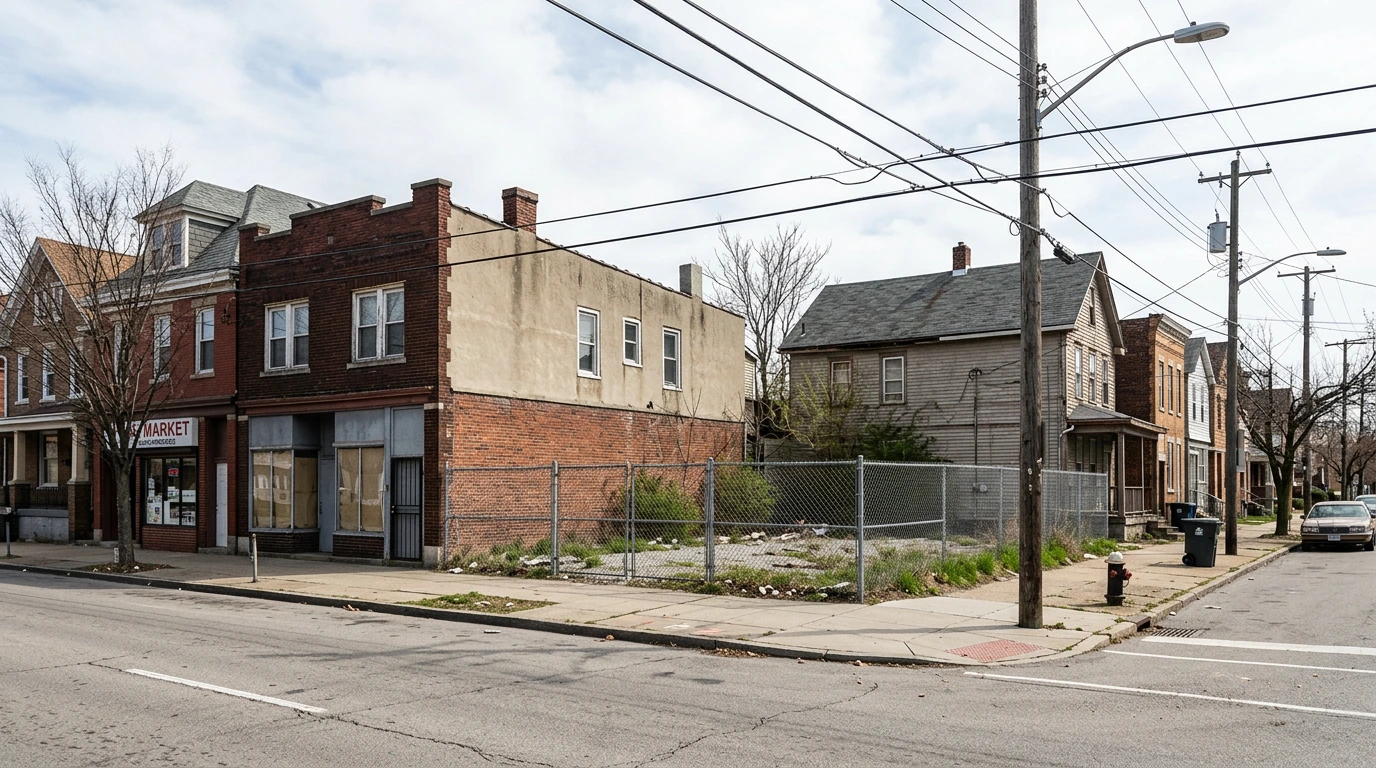
Housing site representing a real project workflow
One real workflow. Baseline · Pilot · Measured change

Start with a housing workflow where people already spend time chasing updates, rebuilding status, searching for current information, repeating work, or closing gaps between organizations and systems. Establish the current burden, run a bounded CivicRails pilot, and measure what changes.

Start where coordination already costs time.

People repeatedly chase others for status, answers, documents, or confirmation.
Project context is spread across email, documents, spreadsheets, meetings, and specialized systems.
Someone manually rebuilds status, searches for what is current, or re-enters information.
A missed or late handoff can create rework, escalation, or preventable delay.
The workflow has a clear owner and a small participant group that can test it in real work.

CivicRails keeps the living Project Record at the center while specialized systems and professional responsibilities remain in place. The pilot tests whether this removes enough avoidable coordination work to justify continuing.

Baseline. Pilot. Measure. Decide.

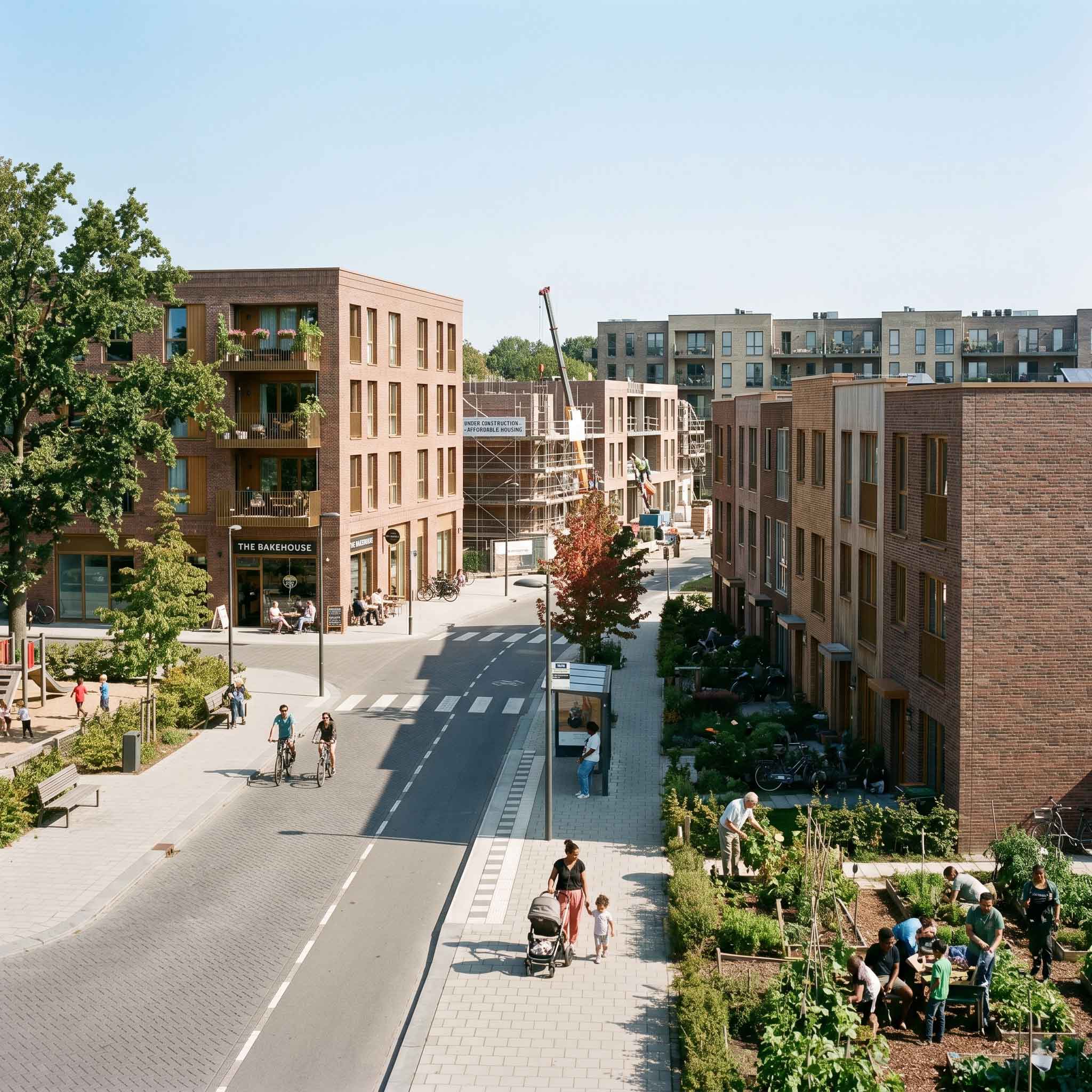
Housing project context representing coordination across project participants

The goal is not a broad rollout. Start with the smallest useful workflow, preserve existing systems and responsibilities, and determine whether the measured operational value is strong enough to expand.

01
Baseline
Map the current workflow and capture practical baseline measures such as chasing time, reporting effort, search/reconstruction time, duplicate entry, response latency, stale loops, and any customer-identified rework or delay indicators.
02
Pilot
Run one bounded CivicRails workflow with a small participant roster. The living Project Record remains the accountable center; email and secure links can provide low-friction participation where appropriate; material record changes remain human-reviewed.
03
Measure
Compare the selected workflow against the baseline using customer-confirmed measures and supported system-observed activity. CivicRails does not assume a savings percentage.
04
Decide
Determine whether the measured change creates enough practical and economic value to continue, expand the workflow, or stop. Evidence drives the next decision.
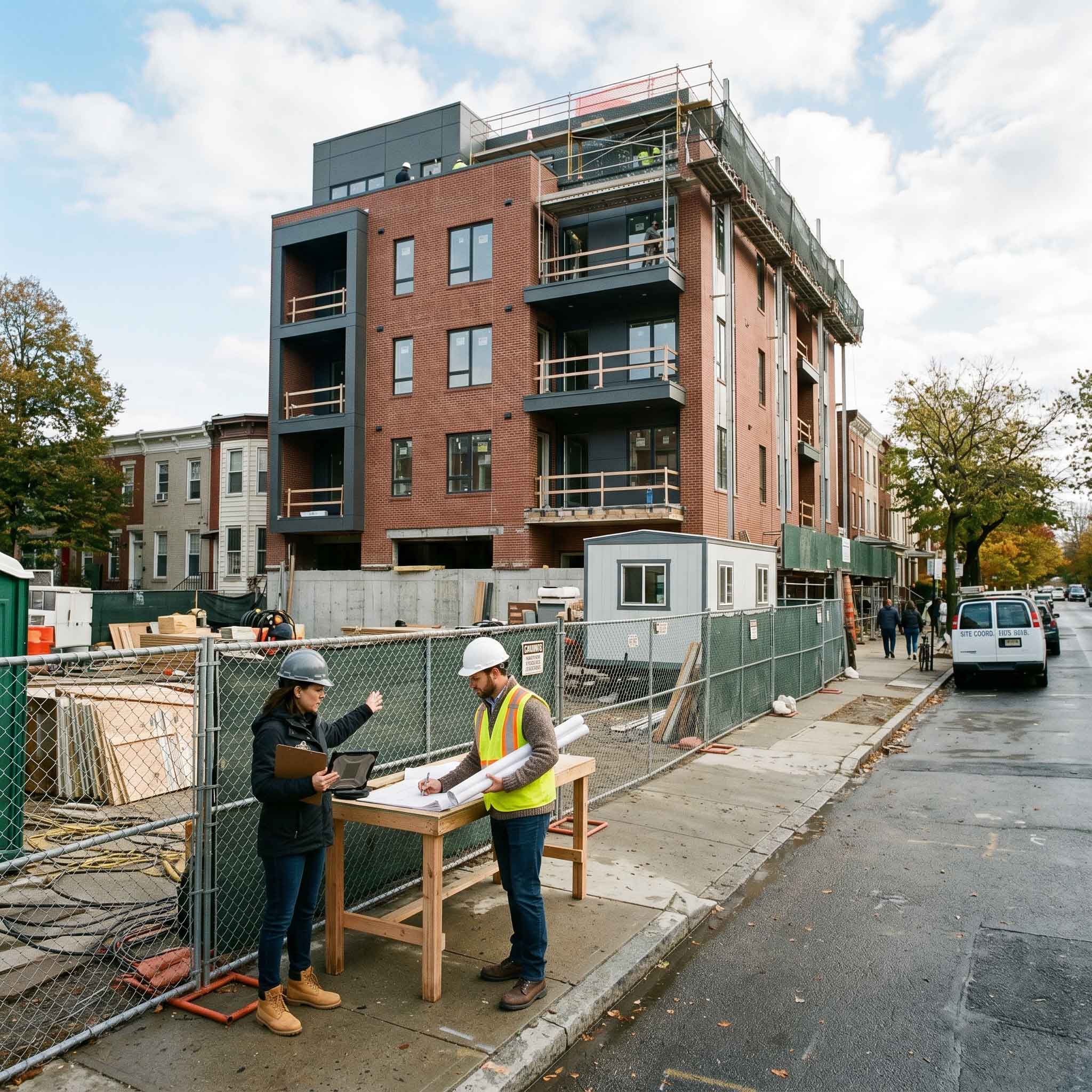
Housing team context representing a coordinated project workflow

Does CivicRails remove enough coordination work to pay for itself?

The purpose of the pilot is to establish evidence, not manufacture an ROI claim. Measures are scoped to the selected workflow and compared against the agreed baseline.

Coordination and chasing hours
Status-report preparation time
Search and context-reconstruction time
Duplicate-entry effort
Response latency and unanswered or stale-information loops
Steps and logins imposed on occasional participants
Customer-identified rework and preventable-delay indicators

Bring us one workflow worth measuring.

Tell us where people spend time chasing information, reconstructing project context, rebuilding reports, repeating work, or losing continuity between handoffs. We’ll focus the first conversation on the workflow, the people involved, the baseline, and what measurable result would make a pilot worthwhile.

Start a conversation
Current pilot areas include ADU and residential delivery, infill and small-site housing, adaptive reuse and historic rehabilitation, emerging-developer workflows, and affordable or nonprofit housing coordination.

CivicRails is designed to reduce avoidable coordination labor, duplicate work, rework, and preventable delay. Pilot evidence is required before making quantified savings claims.

AI supports. People decide.